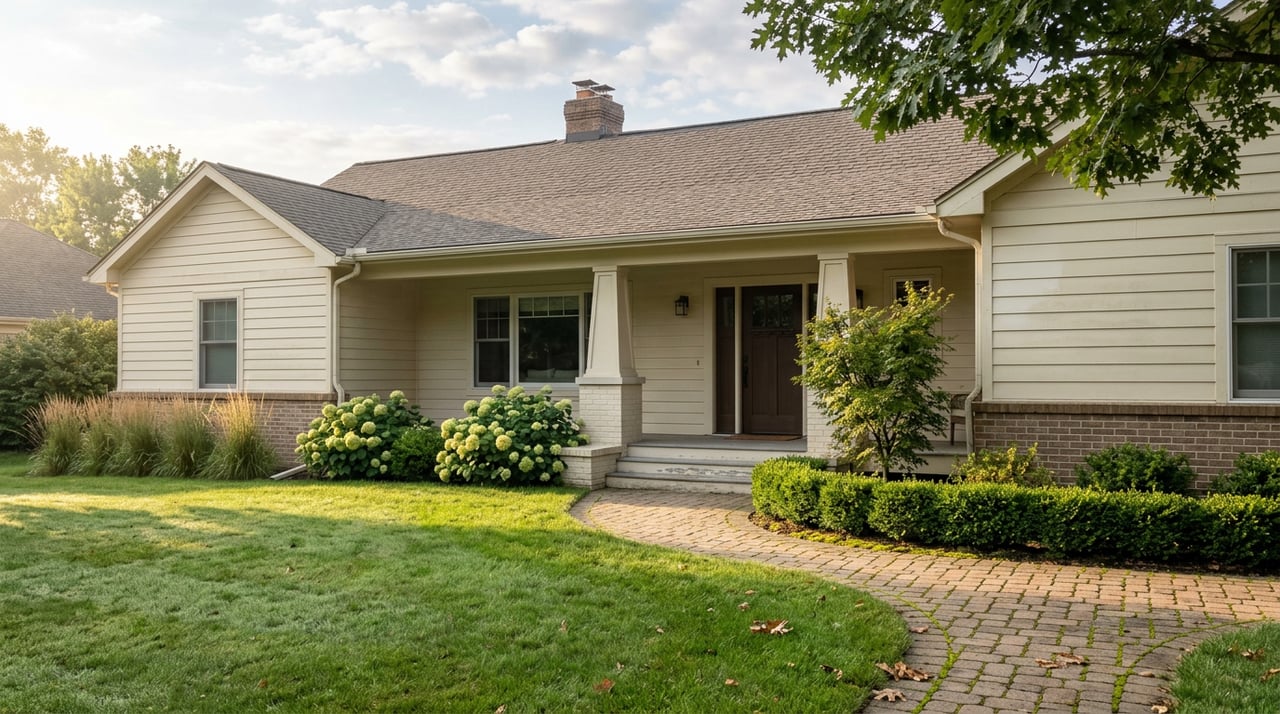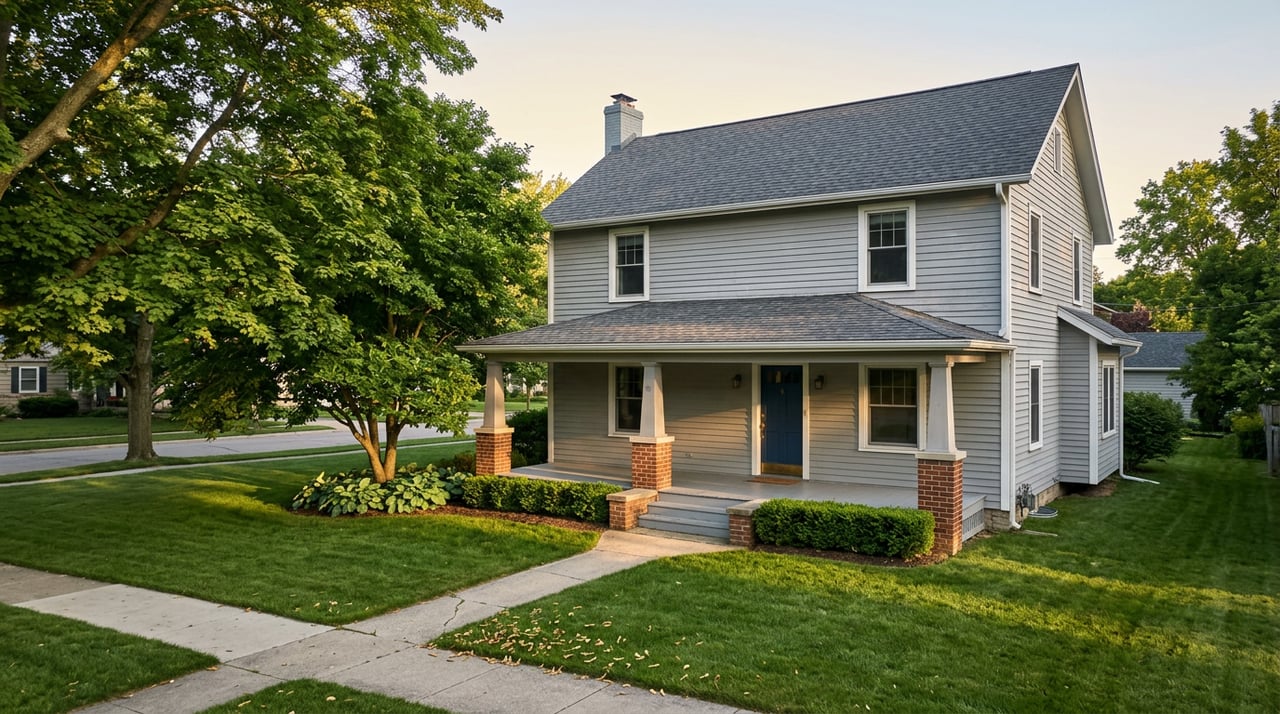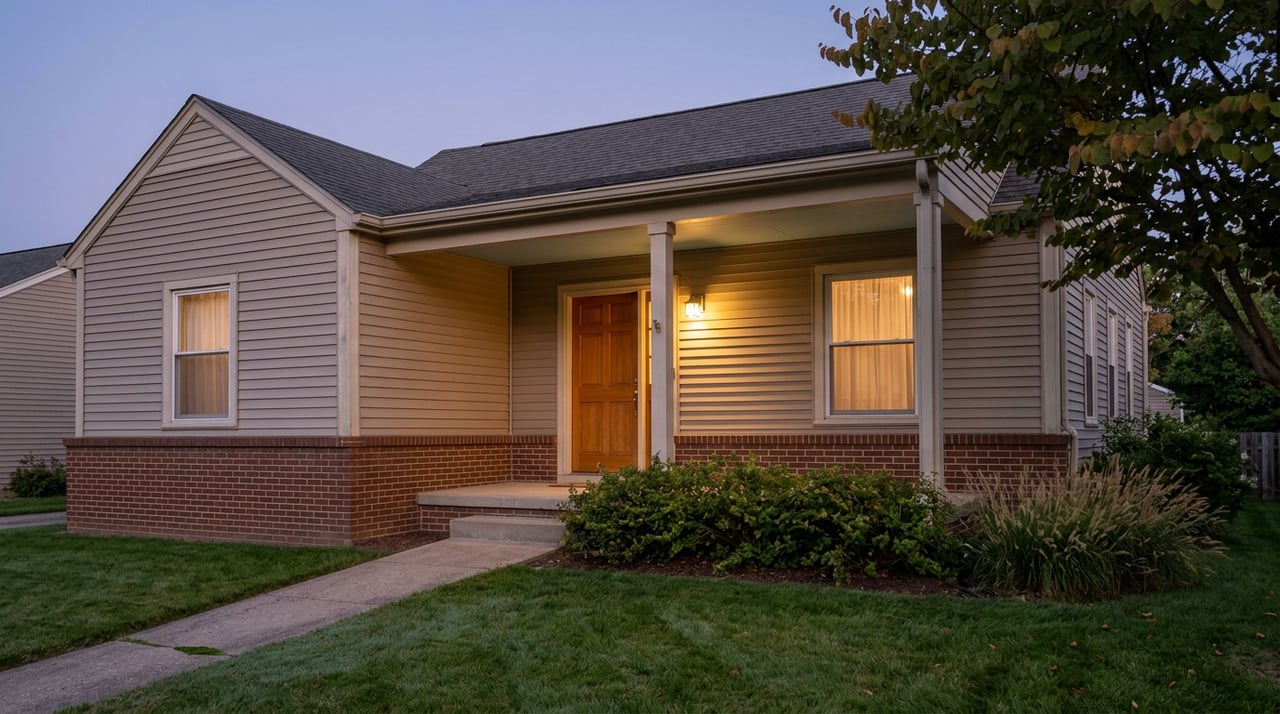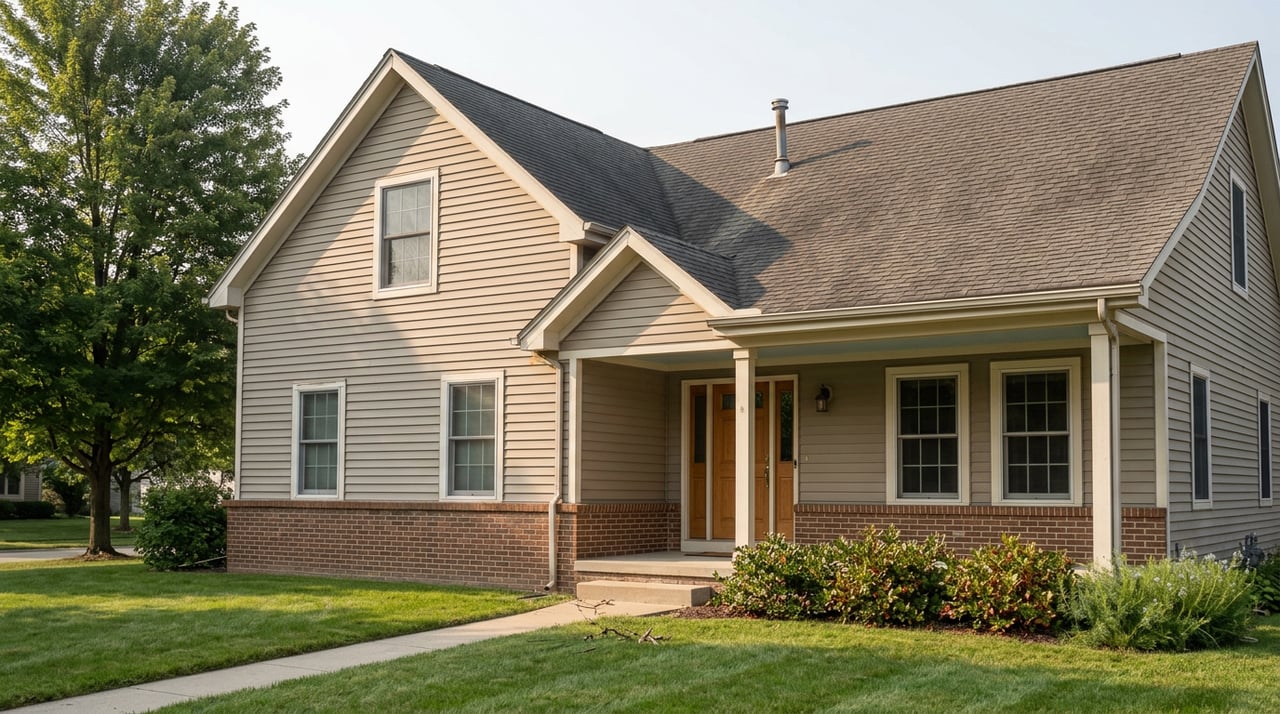
Renee Woodtke and her husband Troy thought they had found a deal on a circa-1916 home in Clintonville. Four bedrooms, two bathrooms, plenty of character. Every time they toured it, the air conditioner was off and the scent of Glade Plugins hung in the air. "It always smelled nice," Renee later said. "I thought we were fine." They ordered an inspection. The basement looked spotless, though a faint trace of bleach lingered underneath the fresh-air smell.
That story, reported by Columbus Monthly this spring, is not really about air fresheners. It is about the gap between what a home inspection is built to catch and what a house can be quietly hiding. In Columbus's older neighborhoods, that gap has a name, and it runs from the back of the house to the street.
The Checklist Everyone Already Knows To Run
If you have started shopping for an older home in Columbus, you have probably already heard the standard warnings. Homes built before 1950 may still have knob-and-tube wiring, and homes built before the 1970s in this market often still carry their original electrical panel. Franklin County sits in the EPA's Zone 1 radon classification, meaning local homes have the highest potential for readings above the federal action level, so a continuous radon monitor placed in the lowest livable level is a normal part of due diligence here. Ohio's clay-heavy soil expands and contracts with the seasons, which is why foundation cracking and basement moisture show up so often on inspection reports in neighborhoods like Clintonville and Bexley.
Buyers ask about these things because inspectors are trained to look for them, and because they are visible enough that a walkthrough usually turns them up. There's also a second reason one item on that list gets checked without fail: the law requires it.
The One Form With Real Teeth
Federal law requires anyone selling a home built before 1978 to give buyers a Lead-Based Paint Disclosure Form and an EPA safety pamphlet before the buyer is locked into a contract, and it guarantees the buyer a 10-day window to test for lead if they want one. Sellers don't have to test the paint themselves, but they do have to hand over anything they already know, and their agent is on the hook for making sure the paperwork actually gets delivered.
Ohio's Division of Real Estate and Professional Licensing reissued a reminder about this requirement earlier this year. As Superintendent Daphne Hawk put it, "lead-based paint hazards remain a serious concern in many older homes across Ohio." It's a rule that has been on the books for decades, and it works precisely because it is specific, federally enforced, and attached to a form every agent knows to produce.
Compare that to what happens with the pipe under the yard.
What The Form Never Asks About
There is no line on Ohio's disclosure paperwork that asks a seller what material their sewer lateral is made of, or how old it is, or when it was last scoped. Many sellers genuinely don't know. It's not the kind of thing anyone thinks about until it backs up. And a standard home inspection in Columbus, by default, does not include a camera run through that line. A sewer scope is an add-on, typically priced between $175 and $450, that a buyer has to specifically request and pay for during their inspection window.
For a newer home on PVC pipe, skipping it barely matters. For a lot of Columbus's affordable, character-heavy older housing stock, it's the single riskiest shortcut a buyer can take, and here's why.
Standard inspection covers:
| Typically included | Typically excluded |
|---|---|
| Electrical panel and visible wiring | Sewer lateral material and age |
| Roof condition and remaining life | What's underground between house and street |
| HVAC age and function | Root intrusion or joint separation inside the line |
| Foundation cracking, moisture signs | Whether the pipe has already begun to collapse |
What's Actually Buried Out There
The material under your yard depends heavily on when the house was built and which neighborhood you're in.
- Clay tile pipe is common in homes built before 1950 and shows up throughout German Village, Victorian Village, the Near East Side, and Clintonville. It's often 60 to 80 years old at this point, but if it hasn't collapsed, it's usually a strong candidate for trenchless lining rather than full replacement.
- Orangeburg pipe, a tar-impregnated wood pulp fiber pipe made as a cheaper substitute when steel was scarce during and after World War II, was installed widely between 1945 and 1965 in neighborhoods including Franklinton, Linden, and the South Side. It's no longer manufactured, and once it starts to deteriorate it absorbs water and collapses inward rather than cracking cleanly. Most Orangeburg failures end up needing a full dig-and-replace rather than a lining repair.
- Cast iron and early PVC are more typical of homes from the 1950s through 1970s in the inner-ring suburbs, and plenty of that stock is now reaching the natural end of its service life.
- Modern PVC, standard in construction after 1980, is generally not old enough yet to be a concern.
Columbus's own Blueprint Columbus program offers free lateral pipe lining to qualifying homeowners in select neighborhoods, which is worth asking about once you own the house, though it won't help you before you close.
The Math That Actually Changes An Offer
A pre-purchase sewer scope runs somewhere in the $175 to $450 range. A residential lateral in Columbus typically stretches 40 to 80 feet from the house to the municipal tap, with older lots in Clintonville sometimes running closer to 120 feet. If the scope comes back clean, you've spent a few hundred dollars for real peace of mind on a home that might otherwise sell for well under $200,000.
If it doesn't come back clean, you now have leverage before you own the problem. Trenchless lining for a sound but leaking clay line runs into the low thousands per project, sometimes totaling $4,200 to $17,500 depending on length and method. A collapsed line discovered after closing is a different story entirely: repair estimates commonly land between $10,000 and $20,000, and if a failing Orangeburg line collapses under a driveway before anyone catches it, an emergency open-cut repair can run $18,000 to $25,000, compared to $11,000 for the same fix planned in advance.
That gap, a few hundred dollars now versus five figures later, is the whole argument for treating the scope as mandatory rather than optional on anything built before 1970.
Reading Today's Market Through This Lens
Central Ohio's housing market has more breathing room than it did a couple of years ago, but it's still moving fast enough that shortcuts feel tempting. Across the city of Columbus, homes sold for a median $304,000 over the three months ending in June 2026, up 6.2% from the same period a year earlier, with buyers receiving offers on the average listing within about 39 days. Across the wider Central Ohio MLS footprint, Columbus REALTORS reported a median sales price of $350,000 in July 2026, up 2.3% year over year, alongside the highest July inventory the region has seen in more than a decade.
More inventory means buyers have slightly more room to negotiate than they did during the tightest years of the last few cycles. It does not mean the market has slowed down enough to make due diligence optional. When homes are still moving in under six weeks, the sewer scope is exactly the kind of add-on that gets skipped under time pressure, because it takes an extra day to schedule and it isn't legally required the way the lead paint form is.
That's the trade worth naming plainly: buyers who know they're taking on a fixer-upper often budget carefully for the renovation they can see. When Brandon Turner and Katherine Swank bought their 1909 Olde Towne East home, they went in with a full list, including replacing knob-and-tube wiring, repairing stained glass, and redoing bathrooms, and brought in Columbus firm Urbanorder Architecture to manage it. That's a renovation with a plan. A sewer lateral failure discovered after closing is a renovation with no plan at all, because nobody put it on the list to begin with.
A Few Questions Worth Asking Before You Waive Anything
Does Ohio require sellers to disclose what their sewer lateral is made of? No. The state's residential disclosure form covers known material defects, but there is no dedicated question about lateral pipe age or material, and most sellers have never had a reason to find out.
Is a sewer scope required before closing in Columbus? No, it's an optional add-on to a standard inspection, which is exactly why it gets skipped.
What happens if a lateral fails after closing and nobody scoped it beforehand? In most cases, there's no seller recourse under a standard Ohio purchase contract. The cost becomes the new owner's problem the day it shows up.
If you're weighing an older home in Columbus and want a second set of eyes on what the inspection did and didn't cover, Brandon Fernandez Castro and the Castro Group can walk through it with you in plain terms, in English or in Spanish. Let's Connect before you waive anything you didn't mean to.