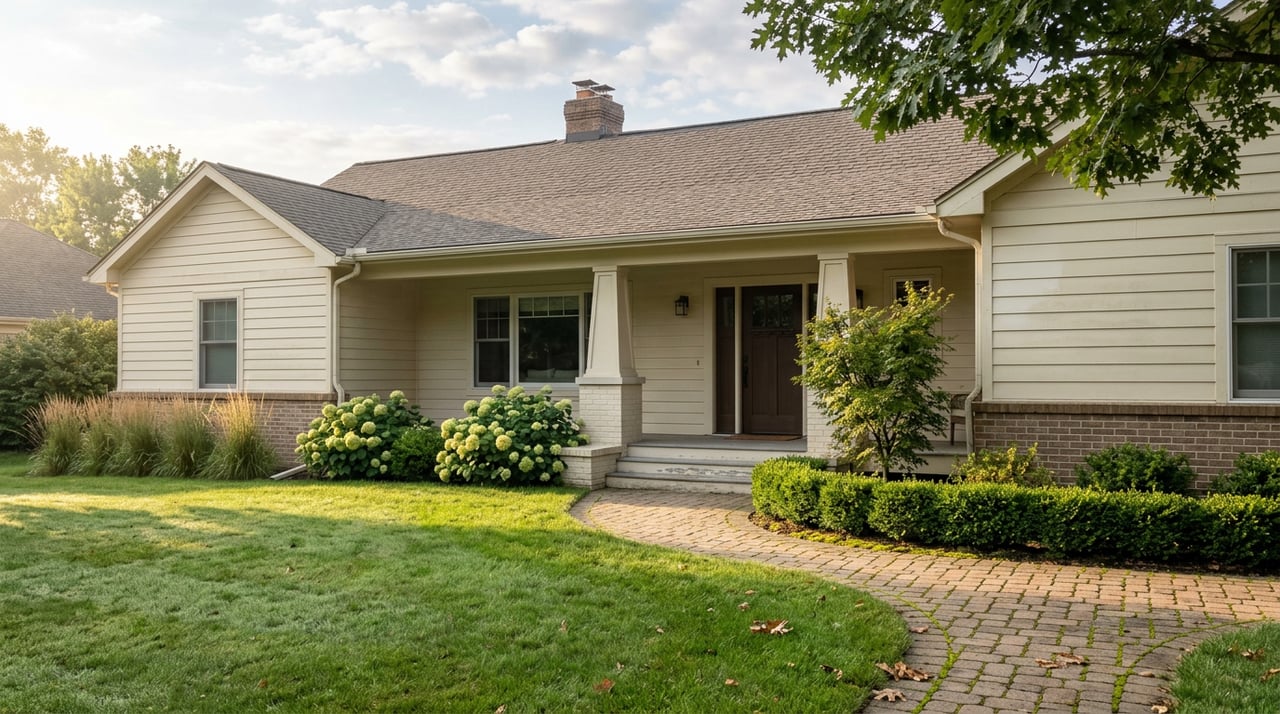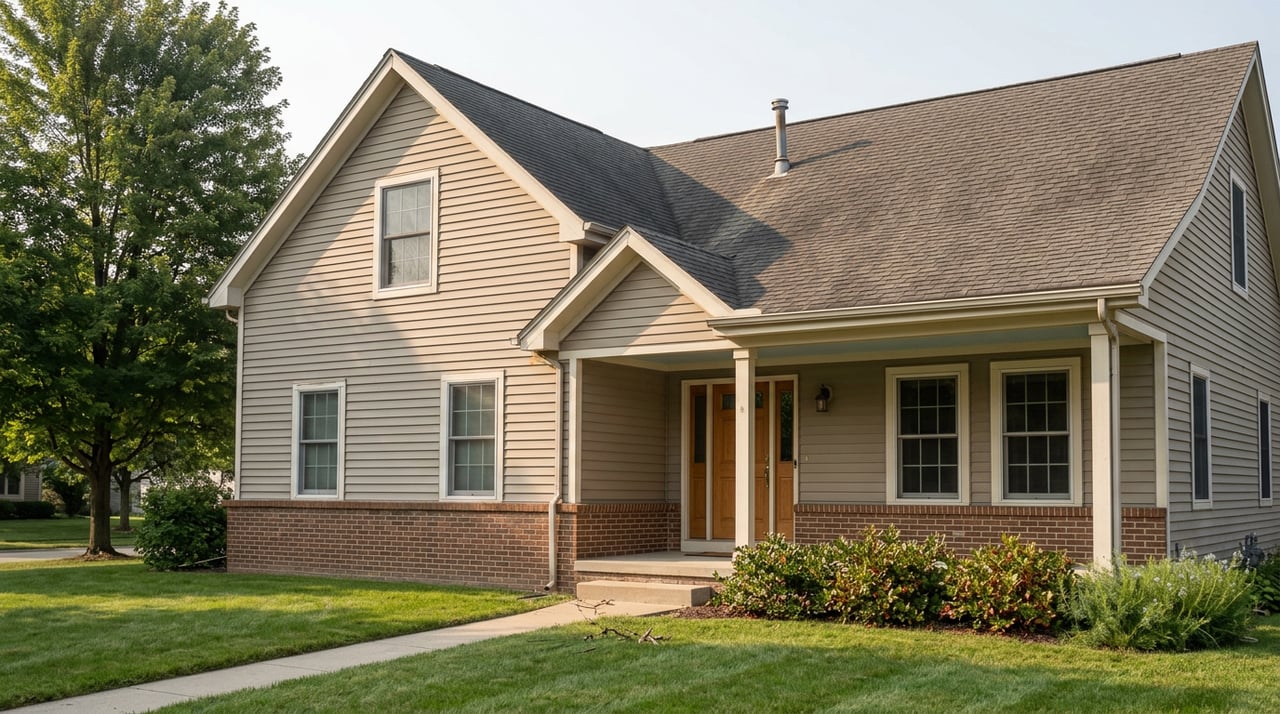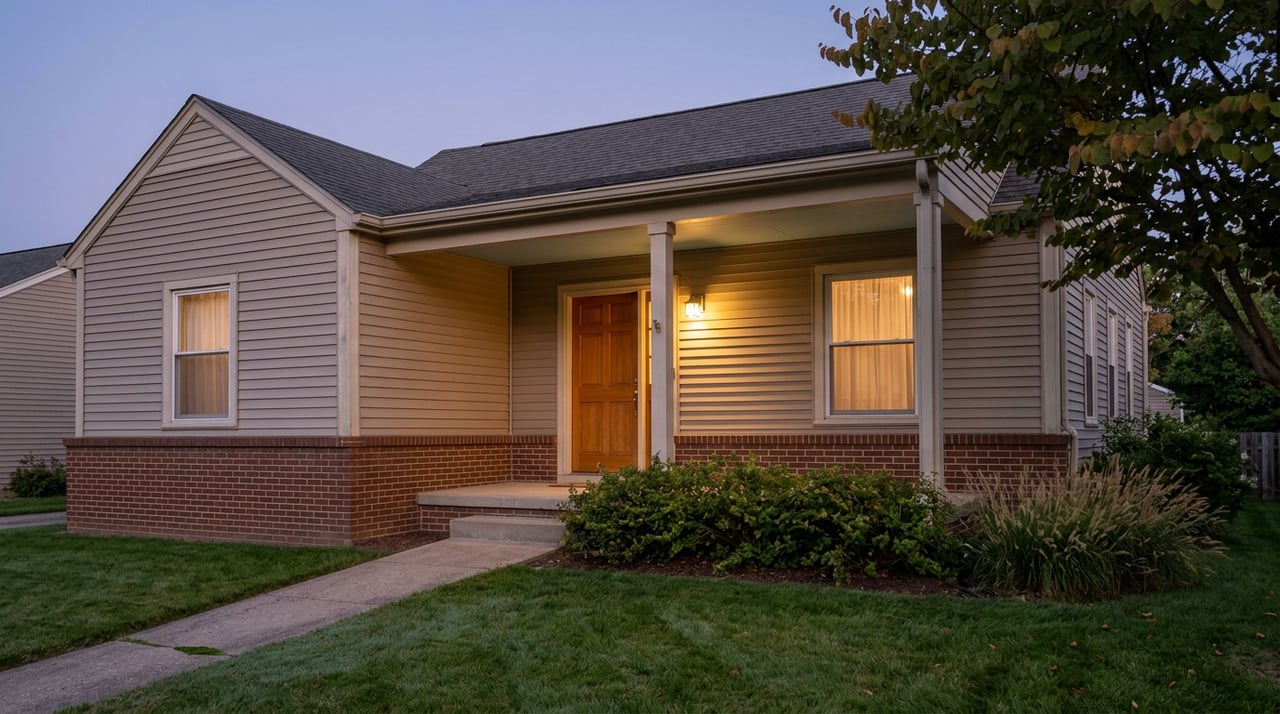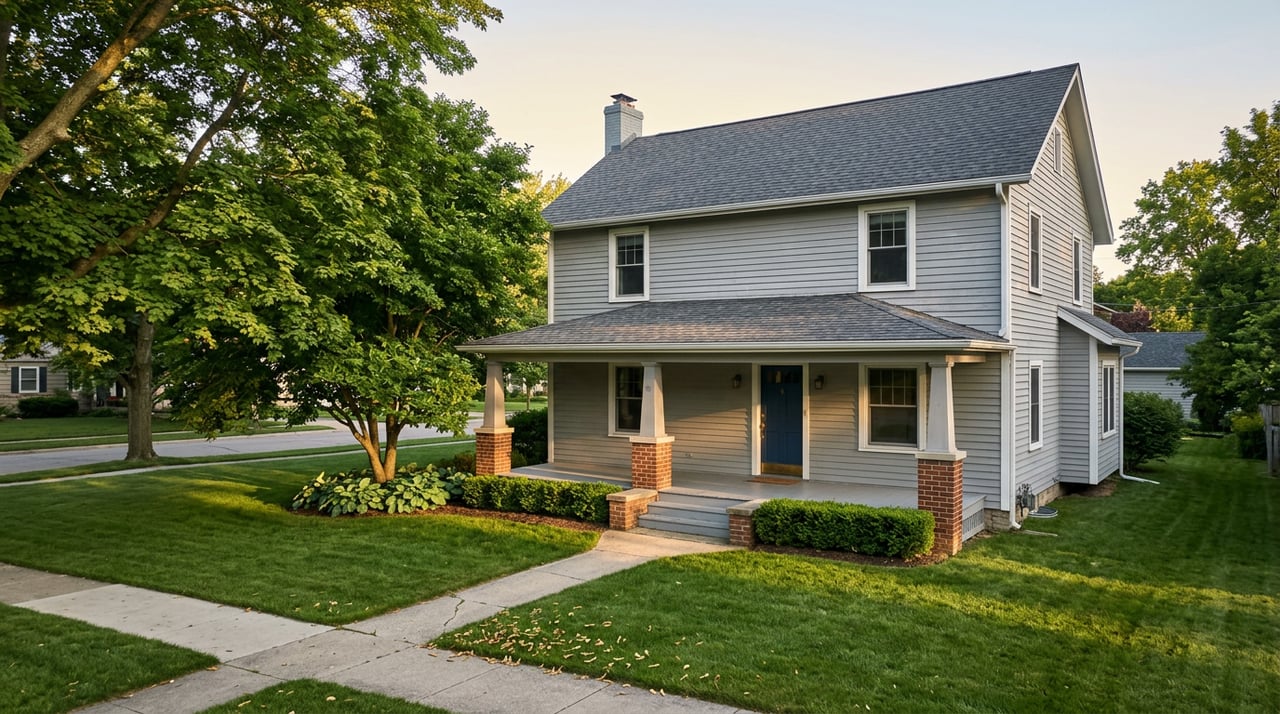
Joe Schertzinger just wanted to advertise custard flavors. This summer, the owner of Whit's on State Street brought a portable sandwich sign to Westerville's Uptown Review Board, black metal frame, interchangeable magnetic panels for the daily and weekly flavors. The frame met every written guideline. The dimensions were fine. The problem was the magnets themselves, since some were white and the board's own rules cap sandwich boards at four colors. Staff wanted every magnet to match in background color, font, and size. Schertzinger pointed out the obvious: "They're different colors." The board debated for nearly 40 minutes, took a tied vote, called a motion to reconsider, and eventually decided white doesn't count as one of the seven colors already in play.
That is 40 minutes over custard flavors. If you're buying or selling a home a few blocks from that sign, the same board reviews your siding, your windows, and your fence.
Two Different Kinds Of "Historic"
Most listings for homes in Uptown Westerville mention a historic designation somewhere in the description, and it usually gets read the way a lot of real estate copy gets read: as flavor text. Charming. Reassuring. Not something that changes what you can actually do with the house.
That reading misses an important split. Uptown Westerville carries two separate historic identities, and only one of them regulates anything.
The first is the National Register listing. Uptown Westerville Inc. successfully nominated the commercial district to the National Register of Historic Places in 2019, and the Westerville Historical Society counts 57 contributing structures inside it. That designation recognizes the district's significance. It does not require an owner to ask permission before repainting a porch or replacing a window.
The second is the city's own Architectural Review District, created under Chapter 1149 of Westerville's code and enforced by the seven-member Uptown Review Board. This is the one with actual authority. If your home sits inside the boundary, exterior changes need a Certificate of Appropriateness before you touch them, full stop. As Westerville's own preservation staff put it when explaining the difference to a local reporter, the National Register recognizes significance, but it's the local board and its regulations that protect and preserve the district's character over time.
MLS listings for homes in the district usually flag this directly. Search results for properties on North State Street describe the parcel as located within the Uptown Review Board Historic District of Westerville, sitting right alongside details about square footage and lot size, phrased as plainly as a mention of a detached garage. It reads like a footnote. It is closer to a condition.
What Actually Needs A Certificate Of Appropriateness
The Uptown Review Board's authority isn't limited to storefronts. Per the city's own description of the board's role, review covers:
- New construction and building additions
- Facade renovations and changes to exterior materials
- Window and door replacement
- Signage and awnings
- Paint color changes
- Building demolition
- Landscaping elements, including fences, walls, and walkways
Some smaller changes can be approved administratively, without a full hearing. Most of the list above cannot. If you're picturing a weekend project, that's the wrong scale to plan around for anything visible from the street.
The Calendar You Won't Find On The Listing Sheet
Here's the part that catches people mid-transaction rather than before it. The Uptown Review Board meets once a month, on the first Thursday, at City Council Chambers on South State Street. There is no rolling approval process for the items that require a full hearing. If you close on a home in early September and want new siding installed before the weather turns, you're not scheduling around a contractor's calendar. You're scheduling around a single monthly meeting, and if you miss it, you wait a full cycle for the next one.
This is easy to overlook because nothing about the purchase contract forces the question. Nobody asks "when's the board meeting" during a home inspection. It surfaces later, when a buyer who assumed a quick refresh discovers their timeline runs through a public body that convenes twelve times a year.
What This Does To The Numbers
Here's where the friction shows up in the data, not just the anecdotes.
Across Westerville overall, the market has been moving briskly. Over the three months ending June 2026, homes sold for a median price of $490,000, up 9.3% from the same period a year earlier, and the typical home received about 2 offers and sold in around 30 days. Listing activity into August 2026 told a similar story of quick turnover, with median days on market holding around 37 days citywide.
Homes inside the older, historic-character segment of the market don't move at quite the same pace. Looking at active listings right now, only about 9 vintage homes are on the market in Westerville, carrying a median list price of $440,000, a typical marketing time of 35 days, and an average of just 1 offer per listing, roughly half the offer activity the broader market sees.
None of that means demand for these homes is weak. Original hardwood floors, wraparound porches, and a walk to State Street are still real draws, and buyers keep shortlisting Westerville's historic core for exactly those reasons. But a thinner offer count on comparable price points suggests something is narrowing the buyer pool for these specific properties, and the extra layer of approval required for any visible change is a plausible piece of that story. A buyer who wants move-in-ready finishes without a permitting detour has one more reason to look elsewhere. A buyer who's willing to plan around a monthly board meeting has less competition for a house with real architectural bones.
That's useful information either way. If you're selling a home in the district, it helps explain why pricing and marketing may need to lean harder on the home's finished condition rather than its renovation potential. If you're buying, it means a home that looks like it's sitting on the market a little long inside Uptown may simply be waiting for the right buyer who understands what they're taking on, not a buyer who's found something wrong with the house.
Questions Worth Asking Before You Write An Offer
If you're considering a home in the Uptown core, a few questions early can save a lot of surprise later:
- Is this specific parcel inside the Architectural Review District boundary, or just near Uptown? Proximity to State Street doesn't automatically mean the same rules apply.
- Has any exterior work on this home already gone through the board? A prior Certificate of Appropriateness on file can tell you what's already been approved and what precedent exists for similar changes.
- If you're planning a specific exterior project, would it likely qualify for administrative approval or require a full hearing?
- Does your timeline depend on finishing exterior work by a certain date? If so, check the board's meeting schedule before you assume a contractor's calendar is the only constraint.
None of this should scare a buyer away from a home with a wraparound porch and a plaque marking its place on a walking tour. It should just move the renovation conversation earlier, before the inspection period closes, not after the moving truck arrives.
A Couple Of Quick Questions
Does the review board control what I do inside the house? No. The board's authority covers exterior changes visible from the public right of way, things like siding, windows, additions, fences, and signage. Interior renovations aren't part of this review.
What if I just want to repaint the same color it already is? Even color changes fall under the board's list of reviewed items, so it's worth checking whether your specific plan needs a hearing or qualifies for the administrative approval track before you buy paint.
Buying a home with real history behind it is one of the more rewarding parts of choosing Uptown Westerville, and it's worth doing with your eyes open about what that history actually requires of you as an owner. If you're weighing a home in the district, or anywhere else across Westerville, Galloway, Hilliard, Grove City, Gahanna, or Columbus, Castro Group can walk through what a specific property's history means for your plans before you're locked into a contract. Let's Connect.