Curious what it actually feels like to live in Westerville day to day? If you are thinking about moving here, you probably want more than a map and a list of homes. You want to know how easy it is to get around, what weekends feel like, and whether the area fits your routine. This guide walks you through what everyday living is like in Westerville so you can picture daily life with a little more confidence. Let’s dive in.
Westerville at a glance
Westerville is a suburb northeast of Columbus with about 40,000 residents. It sits roughly 15 miles from downtown Columbus and about 10 miles from John Glenn International Airport, which can be helpful if you commute, travel often, or want access to city amenities without living in the middle of them.
The city presents itself as a place shaped by heritage, planning, and resident services. In practical terms, that often translates into a community where neighborhoods, parks, and public spaces feel intentionally connected rather than random or scattered.
Neighborhood feel in Westerville
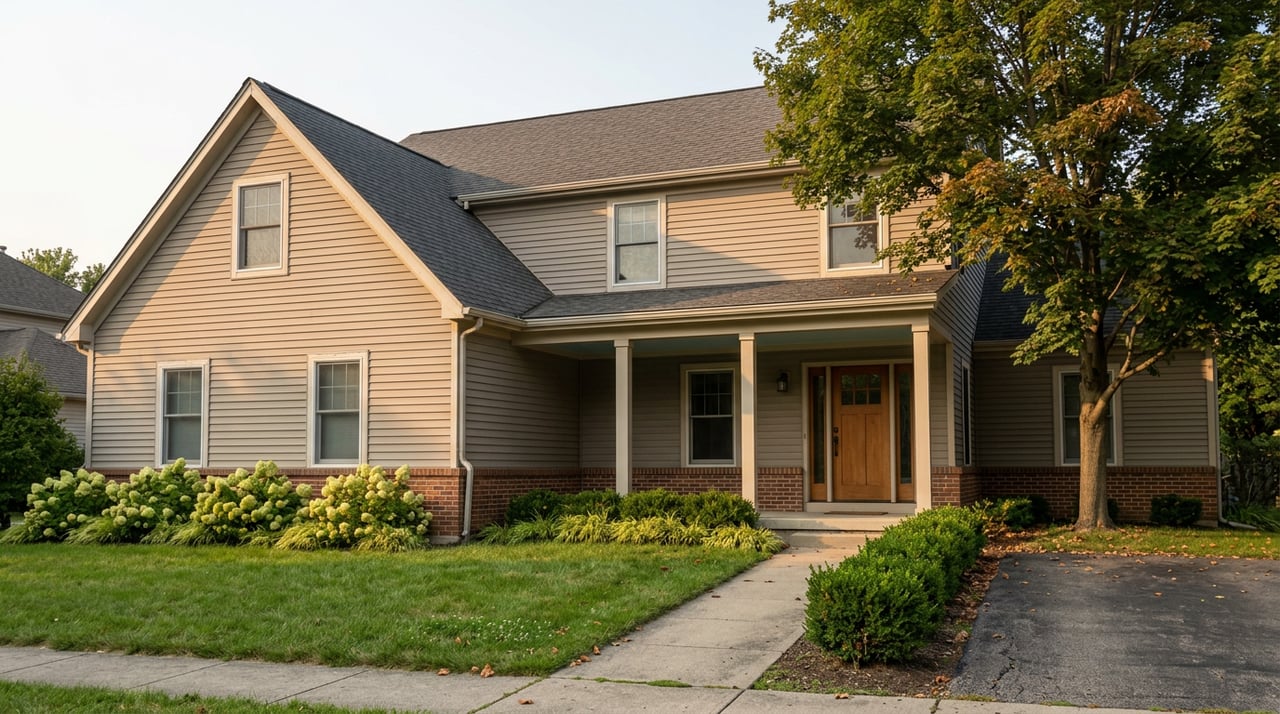
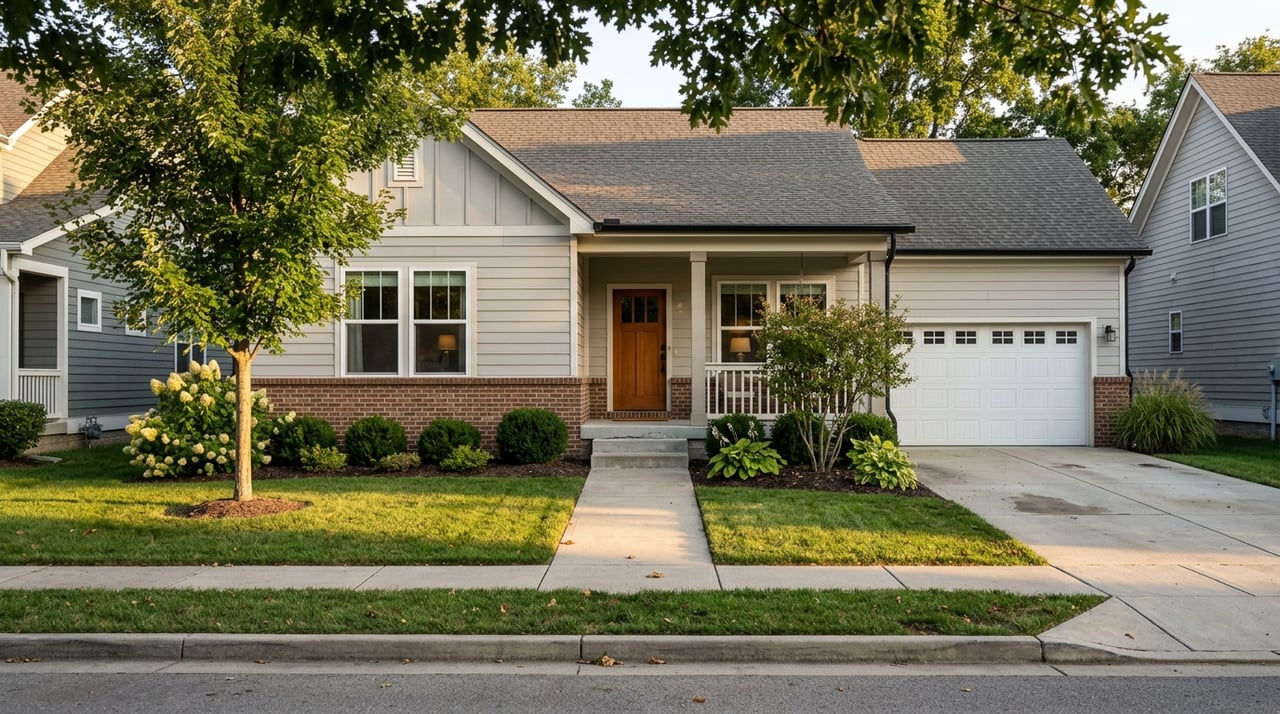
One of the most noticeable things about Westerville is variety. According to the city’s neighborhood guide, you can find traditional starter homes, executive-level homes, older homes, newer construction, smaller lots, larger lots, and even areas with a more rural feel.
That range matters if you are trying to match a home to your stage of life. Whether you want something simple and manageable or a little more space, Westerville offers more than one version of suburban living.
Uptown brings historic character
Uptown Westerville is the historic core of the city. City materials describe it as a district for shopping, dining, and entertainment, and it includes older homes dating back to the 19th century.
The architecture in this area includes many single-family brick or frame homes, with styles such as Italianate. Because Uptown sits next to Otterbein University, the area also has a college-adjacent energy that feels different from a typical suburban commercial district.
Many areas feel green and established
Westerville is a Tree City USA community, and that nature-forward identity shows up in everyday life. Many neighborhoods feel leafy and established rather than dense or tightly urban.
If mature trees, neighborhood sidewalks, and a more natural backdrop matter to you, that can be a big part of Westerville’s appeal. The setting tends to feel residential and grounded, with outdoor space woven into the experience of daily living.
Parks and trails are part of daily life
For many people, Westerville’s outdoor access is not just a nice extra. It is part of the routine. The city says it has more than 650 acres of parkland, 51 miles of trails, about 240 miles of sidewalks, and 18,000 trees.
Just as important, 95 percent of city homes are within a half-mile of a developed park. That suggests parks are not limited to one side of town or reserved for special outings. They are woven into neighborhoods in a way that can make walks, bike rides, and playtime easier to fit into a normal week.
Walking and biking are realistic options
Westerville describes itself as walkable, and the sidewalk and trail network supports that idea. While many residents still rely on cars, the city’s layout gives you more chances to walk or bike for exercise, short trips, or time outdoors than you might expect in a suburb.
That can shape daily life in small but meaningful ways. An evening walk, a stroller ride to a nearby park, or a bike ride on the trail system can feel like part of the neighborhood rhythm instead of a planned event.
The community center adds convenience
The Westerville Community Center is a major amenity for residents. The city describes it as a renovated 145,000-square-foot facility with aquatics, a fitness room and track, gym space, childcare, an esports room, and an indoor climbing wall.
For busy households, that kind of all-in-one facility can make routines easier. It gives you a place for exercise, recreation, and indoor activities without needing to drive far across the region.
Metro Parks expand your options
Beyond city parks, nearby Metro Parks add even more outdoor variety. Inniswood Metro Gardens includes 123 acres and more than 2,000 plant species, Rocky Fork Metro Park covers 1,096 acres with walking trails, a dog park, and a bridle trail, and Blendon Woods offers 653 acres of ravines, wetlands, and bird habitat.
If you enjoy nature but still want suburban convenience, that combination stands out. You can handle everyday errands in town and still have access to larger natural spaces nearby.
Dining and errands center around Uptown
Westerville’s dining and shopping scene has a clear focal point. Uptown is the city’s main hub for shopping, dining, and entertainment, which gives the area a more walkable and connected feel than a layout built around one long commercial strip.
That matters for everyday quality of life. Instead of every outing feeling like a drive from one parking lot to another, Uptown creates a place where you can stroll, browse, and spend time more casually.
A social atmosphere shapes the district
The Uptown DORA helps support a more social, pedestrian-friendly atmosphere during permitted hours. While that may not affect your daily schedule every week, it adds to the district’s identity as a place where people gather and linger.
If you like having a central area with activity and energy, Uptown can be a real plus. It gives Westerville a recognizable heart, which is something many suburbs work hard to create.
Getting around Westerville
Westerville offers more mobility options than many suburbs, but it is still largely car-first. The city’s Age-Friendly plan describes Westerville as primarily car-dependent with limited public transportation.
At the same time, the city’s mobility planning emphasizes stronger connections among Uptown, Otterbein University, neighborhoods, parks, playgrounds, and schools by road, bike, walk, and transit. So while most people still drive for many trips, you may find more flexibility here than in other suburban areas.
Access to Columbus is a plus
Location is one of Westerville’s practical advantages. Being near downtown Columbus and the airport can make commuting, travel, and regional errands more manageable.
For some buyers, that balance is the sweet spot. You get a suburban home base while staying connected to major job centers, services, and entertainment across the Columbus metro.
Transit exists, but expectations matter
Westerville is served by COTA’s Westerville on-demand service zone and by CMAX on Cleveland Avenue between downtown Columbus and the OhioHealth Westerville Medical Campus. Those services can add options for certain trips.
Still, it is smart to think of transit here as a supplement, not a total replacement for driving. If you are moving from a denser city, that distinction can help set realistic expectations.
Community events create a steady rhythm
One reason Westerville often feels lively is its event calendar. The city currently lists regular and seasonal events such as the Westerville Saturday Farmers Market, Summer Concert Series, the 4th of July Celebration, and the Westerville Area Chamber Music and Arts Festival.
These events give the year a rhythm that goes beyond work and errands. They create regular opportunities to get out, see familiar faces, and enjoy public spaces in a relaxed way.
4th Fridays bring energy to Uptown
Mount Carmel St. Ann’s 4th Fridays turn Uptown into a monthly street festival from May through October, typically from 6 to 9 p.m. Uptown Westerville Inc. says these events usually draw 10,000 to 30,000 people each month.
That helps explain why Uptown can feel active even outside major holidays. If you enjoy living in a place with recurring local events and a strong public gathering space, Westerville offers that in a noticeable way.
Who Westerville may fit best
Westerville can appeal to a wide range of buyers because daily life here is fairly balanced. You have neighborhood variety, strong park access, a historic central district, and practical proximity to Columbus.
It may be a strong fit if you want:
- A suburb with both older and newer housing options
- Easy access to parks, trails, and sidewalks
- A recognizable downtown-style district for dining and shopping
- A location that keeps you connected to Columbus and the airport
- A community with recurring public events and a steady local rhythm
Like any move, the best fit depends on your routine and priorities. Some buyers care most about trail access, while others focus on commute patterns, home style, or the feel of the neighborhood around them.
What this means for your home search
If you are searching in Westerville, it helps to look beyond price and bedroom count. The day-to-day experience can vary depending on whether you want historic character near Uptown, a quieter residential setting, or a neighborhood that gives you faster access to parks and major roads.
That is why neighborhood guidance matters. When you understand how a place functions in real life, it becomes much easier to narrow in on homes that actually support the way you want to live.
If you are thinking about buying or selling in Westerville, Brandon Fernandez Castro can help you understand the local housing options, talk through neighborhood differences, and move forward with clear, responsive guidance.
FAQs
What is everyday living like in Westerville, Ohio?
- Everyday life in Westerville often blends suburban convenience with easy access to parks, trails, sidewalks, Uptown dining and shopping, and recurring community events.
What types of homes can you find in Westerville?
- According to the city’s neighborhood guide, Westerville includes traditional starter homes, executive-level homes, older properties, newer construction, smaller lots, larger lots, and some areas with a more rural feel.
What is Uptown Westerville like for daily life?
- Uptown Westerville is the city’s historic core and main hub for shopping, dining, and entertainment, with older homes, walkable blocks, and a more social atmosphere.
How walkable is Westerville for residents?
- Westerville describes itself as walkable, with about 240 miles of sidewalks and 51 miles of trails, although many daily trips are still car-based.
Are parks and recreation a big part of life in Westerville?
- Yes, the city says it has more than 650 acres of parkland, and 95 percent of homes are within a half-mile of a developed park.
How close is Westerville to downtown Columbus and the airport?
- Westerville is roughly 15 miles from downtown Columbus and about 10 miles from John Glenn International Airport.
Does Westerville have public transit options?
- Westerville has limited transit options compared with denser areas, but it is served by COTA’s Westerville on-demand service zone and CMAX on Cleveland Avenue.
What community events help shape life in Westerville?
- Recurring events include the Westerville Saturday Farmers Market, Summer Concert Series, 4th of July Celebration, the Westerville Area Chamber Music and Arts Festival, and monthly 4th Fridays in Uptown.